Solutions engineering · implementation · AI integration
I simplify complex systems for reliable execution.
Connecting business needs to technical execution across data systems, analytics, implementation, AI integration, and operations.
Business student · University of Mary Washington · Class of 2027
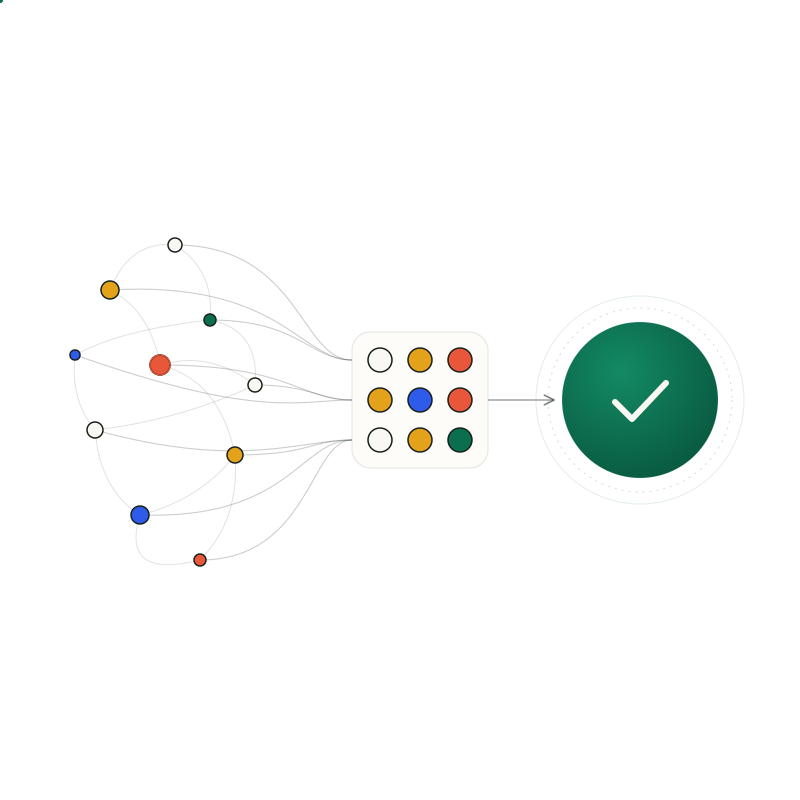
Complex inputs. One accountable path.
~120Kdestination errors classified
7,500+formulas reconciled
11,656employers structured
22variables standardized
Selected work
Systems are easier to trust when the evidence is visible.
Three projects. Three different operating problems. Each visual shows the logic before the technical detail.
01 / Delivery systems
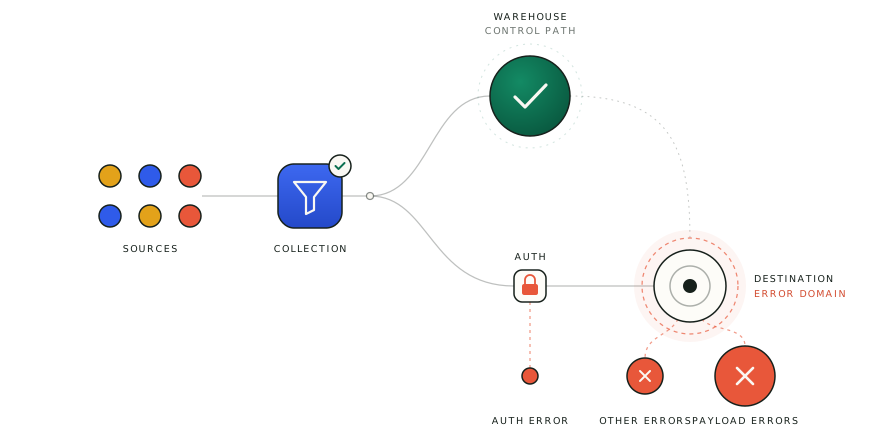
Located where valid data stopped delivering.
Compared the same events across system layers, ruled out upstream collection, and routed destination-specific findings to platform owners.
~120Kdestination errors classified
0Controldata warehouse rejections
Where the delivery path broke
02 / Reporting systems
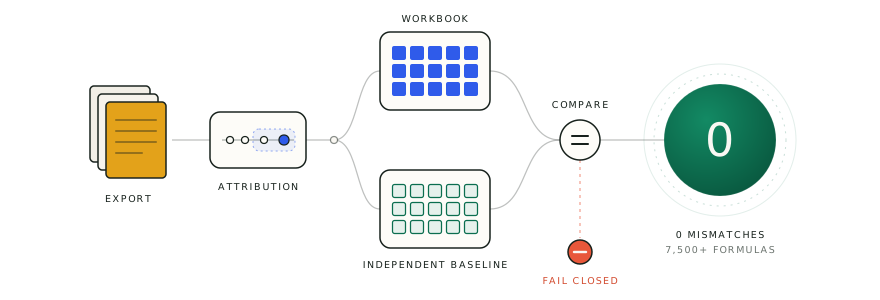
Built a report that verifies its own output.
Replaced fixed spreadsheet ranges with input discovery, explicit attribution rules, and an independent reconciliation path.
7,500+formulas reconciled
0Release gatemismatches
Independent reconciliation
03 / AI integration
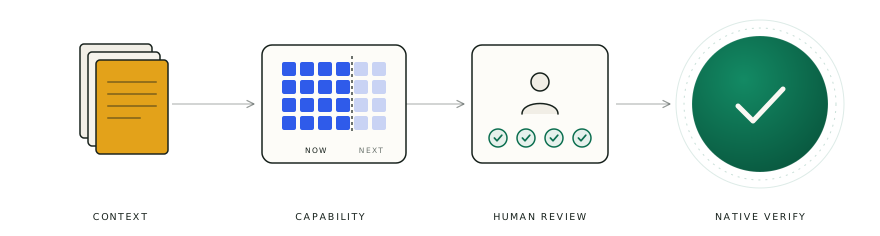
Mapped AI capability into an operating system.
Applied native-platform verification as the completion standard for AI-assisted campaign changes.
Completion standardEvery operational change verified in the native platform.
From context to verified execution
Supporting records
More evidence, less exposition.
GTM variable standardization22 variablesOpen record +
Replaced recursive searches and guessed keys with named source variables, explicit cleaning, validation, and documented missing value behavior.
Retool master data workflowReliable stateOpen record +
Corrected race conditions, numeric ID handling, persistent step values, duplicate validation, and false success states.
Paid media pacingDaily deltasOpen record +
Rebuilt monthly trends from daily deltas, handled negative resets, and separated current snapshots from history.
Employer monitoring system11,656 employersOpen record +
Defined tier logic, monitoring cadence, acceptance tests, role filters, and QA controls for an AI-assisted implementation.
Approach
A repeatable way of working.
01TraceMap data, dependencies, and ownership to isolate the actual error domain.
02BuildTranslate requirements into controlled workflows with explicit states and edge-case handling.
03VerifyReconcile outputs through an independent path before release.
04TranslateTurn technical evidence into decisions teams can act on.
Experience
Business context meets technical execution.
Solutions Engineering / Media Operations InternDigital marketing and media agency
Mapped cross-platform data flows, audited tracking errors, implemented internal tools, validated reporting logic, and translated findings into technical handoffs.
Marketing & Networking InternUniversity athletics program
Built digital content and alumni engagement workflows that connected student athletes with professional networks and career opportunities.
Social Media Marketing & Event Management InternAutomotive events organization
Analyzed channel performance and coordinated vendor, hospitality, and on-site operations across five high-volume automotive events.
ToolsPython, pandas, SQL, Excel, Google Tag Manager, Retool
EnvironmentsData warehouses, ad platform APIs, AI-assisted campaign platforms